
FIELD INSIGHT 01
Quality Shrimp Seed Selection: Decisions Before Stocking Can Shape the Whole Crop
Start with the hatchery, batch health information and seed condition—not price alone.
A practical guide to choosing healthier post-larvae, checking documents and reducing avoidable risk before stocking.
In shrimp farming, stocking day often feels like the real beginning of a crop. In practice, important decisions have already been made before the seed reaches the pond. The hatchery source, health status, transport condition, seed uniformity and the way the farmer checks the batch all influence the starting point of the crop.
A low seed price can look attractive when production costs are rising. But the right comparison is not only price per post-larva (PL). It is the quality and health information available, the reliability of the supplier, the condition of the seed on arrival and the risk the farmer is accepting.
Start with a traceable source
Buy seed from a registered hatchery permitted to supply the species and seed type being stocked. Ask for hatchery details, batch information and health-test documents relevant to that batch. MPEDA’s Better Management Practices recommend sourcing healthy seed from approved or registered hatcheries and avoiding wild seed or poorly managed nursery sources.
SPF means Specific Pathogen Free for the pathogens covered by the relevant certification and testing system. It does not mean shrimp are protected from every disease or that the crop is guaranteed to succeed. Pond preparation, biosecurity, water quality and feeding still matter.
Ask for evidence, not only assurance
Confirm the hatchery and supplier identity; request batch-specific health screening or PCR reports, including the date, laboratory and pathogens tested; verify that the report relates to the batch supplied; and retain the invoice, batch details and transport information.
Observe the seed and transport condition
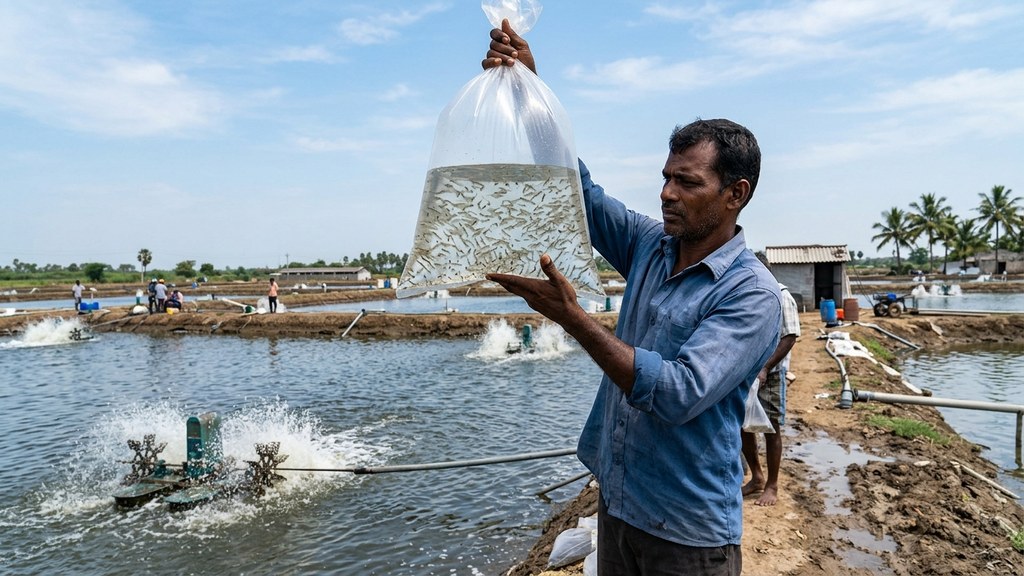
When seed arrives, look for reasonably uniform size, active swimming, a responsive reaction to movement and no obvious abnormal appearance or excessive dead or weak PL. Visual observation is useful, but it cannot confirm pathogen-free status. Health testing and source documentation remain important.
Transport stress can weaken otherwise acceptable seed. Check packaging, oxygenation, temperature management and transport duration. If there is unusual mortality, weak swimming or a major difference between bags, pause and discuss the batch with the hatchery and technical adviser rather than rushing to stock.
Do not skip acclimatisation
Transport-bag water may differ from pond water in temperature, salinity and other conditions. Sudden changes can stress the seed. Follow a suitable acclimatisation procedure advised by the hatchery or qualified technician, based on measured differences and PL condition. Cooler-hour stocking may reduce heat stress, but timing alone cannot compensate for poor water preparation or weak seed.
Connect seed quality with pond readiness
Before seed arrives, confirm pond preparation, suitable water quality, biosecurity and a stocking plan that matches the farm’s management capacity. Consider stocking density alongside aeration, water treatment or exchange arrangements, feeding, staff capability and emergency response.
Field takeaway
Seed selection is a risk-management decision, not a price-only purchase. Check the source, verify batch documents, observe the PL, manage transport and acclimatise carefully.
Pre-stocking checklist
Confirm the hatchery source; review batch-specific health documents; retain invoice and batch details; observe seed and transport; confirm pond readiness and biosecurity; agree on acclimatisation with the technical adviser; and record stocking date, quantity, pond ID and batch.
Good seed cannot guarantee a good crop. It gives the farmer a better starting point and makes later decisions easier to interpret. When stocking details are recorded from day one, the farm can compare performance across ponds and learn from evidence.
- MPEDA – Better Management Practices
- CAA – Guidelines
- FAO – Improving P. monodon hatchery practices
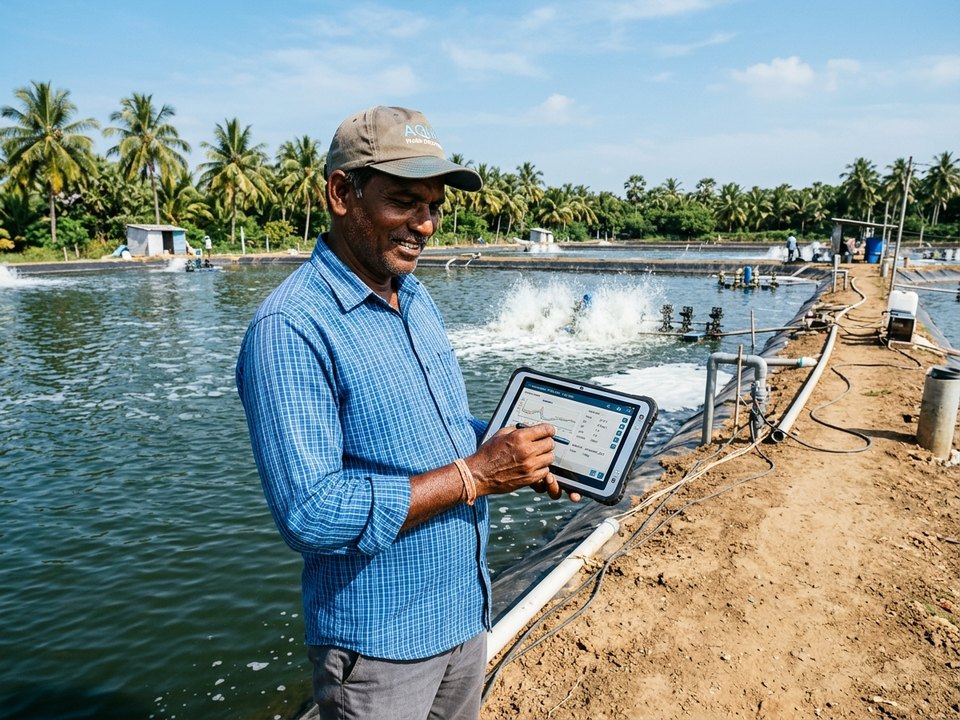
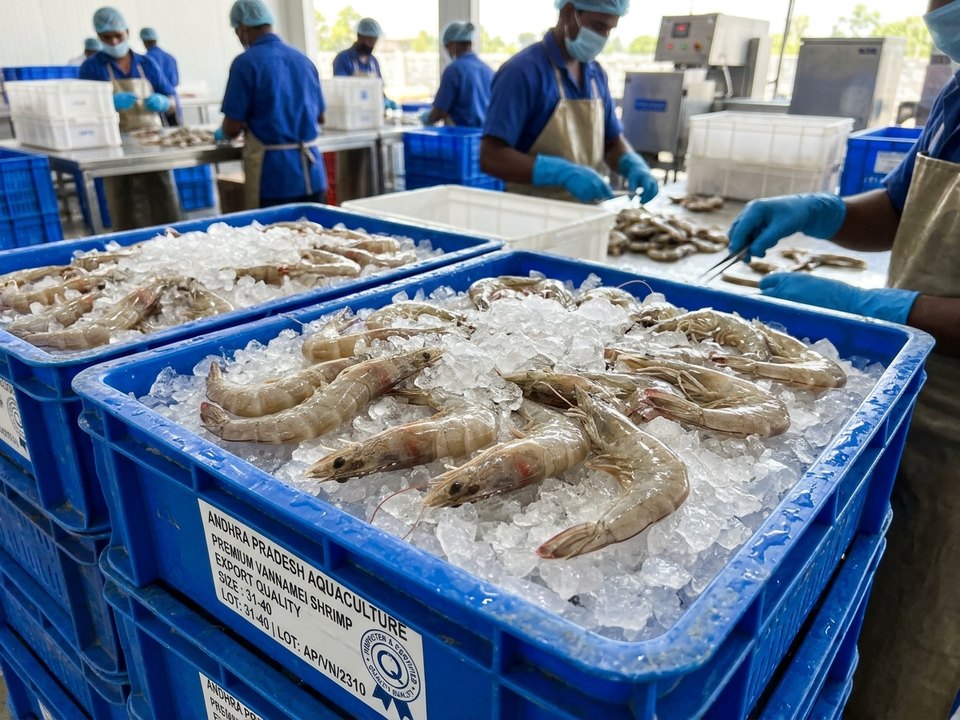
Image note: Illustrative visual for this topic; it is not a photograph of a verified farm or a documented AquaSetu field visit.